


Article: 4 Faire Buying Habits That Are Hurting Your Store

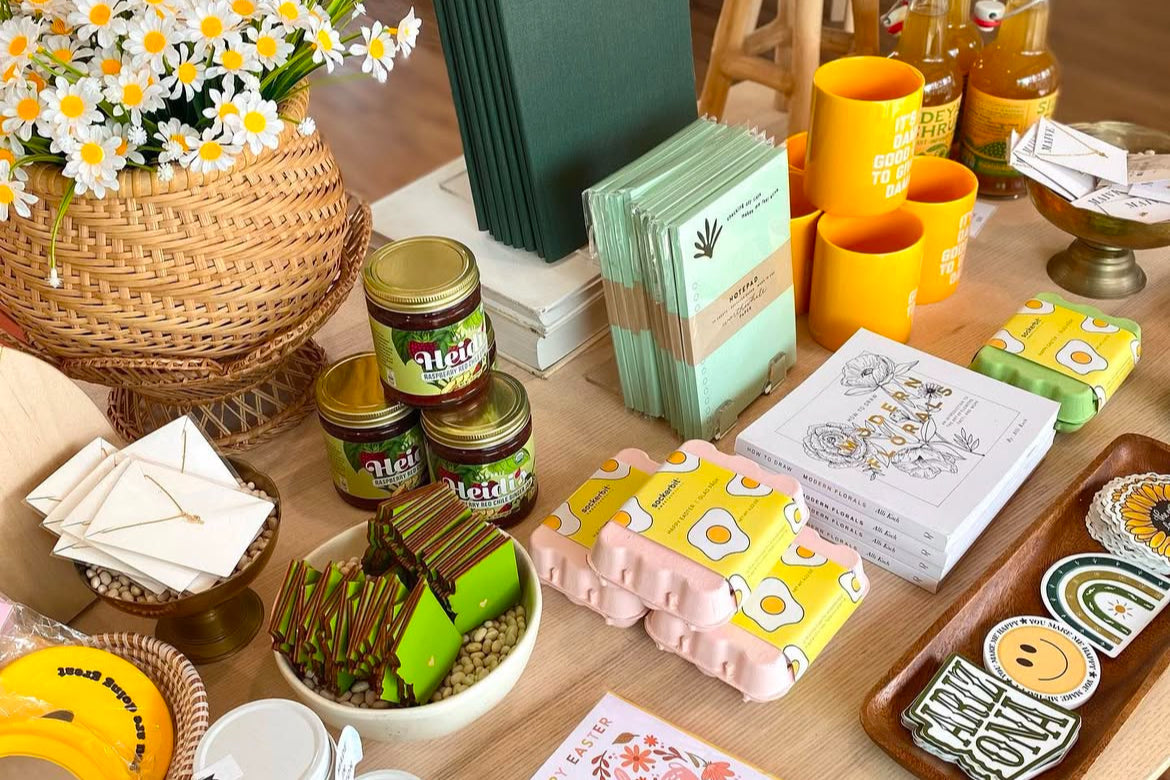
4 Faire Buying Habits That Are Hurting Your Store
When it comes to gift lines, I wear both hats: I buy, and I sell. When I opened my store, Faire was a brand-new platform, and it was a huge asset for me. With zero buying experience, the quick onboarding and net terms gave me the access I needed to open my first pop-up shop in just a few short weeks.
I used it heavily as a buyer when I had two brick & mortar stores, and still use it for the select clients I buy gift product for now.
Over time, as Faire has evolved, it's naturally come with pros and cons.
Faire comes up in every conversation I have with fellow sellers, the brands and makers. There are a lot of pain points, and a lot of ways it doesn't serve brands' best interests. And when I'm at shows talking to buyers and store owners, I hear a growing question: how can I build better relationships with the brands I work with? People want to get back to a connection-based, intentional approach to how we fill our shelves.
To be clear, I'm not saying don't use Faire. As my friend Katie from Proof to Product says, Faire is a tool, and it should be one tool in your arsenal. But it's also going to keep pushing what's popular, which reduces the differentiation between our stores.
So let's get into what you can do differently from what Faire encourages, to strengthen your store's identity and build a stronger, more unique position in your community. None of these habits come from bad intentions on buyers' parts! But they are shortcuts, and shortcuts can hurt when they're designed to be used so quickly and easily.
 1. Buying what the algorithm recommends instead of what fits your store
Faire's recommendations are built to show you what's selling. That's useful data, but it's also why so many shops end up with the same products. What's "trending" on the app is, by definition, already on a lot of shelves.
- What it costs you: a gift section that could be anywhere. Customers notice when your shelves look just like the shop two doors down.
- Decide early what you want to be. Do you want to carry trendy items? Do you want to compete with the toy store down the street? Those calls narrow your options, so you're not drinking from the fire hose every time you open the app. We never wanted to carry exactly the same stuff as everybody else. You want things that are unique to you, your area, and what you believe in.
- Do this instead: start with your store, not the feed. Finish this sentence before you shop: "Our gift section is for people who…" Then search for that, filter by what matters to you (local, women-owned, eco-friendly), and scroll beyond the first page. Set aside part of your budget for true discoveries!
 2. Letting Faire be your only discovery tool
It's easy to let the app be the whole search. But when you lean on it too heavily, you skip the buying research and discovery that make your shelves yours.
- What it costs you: the makers who aren't on Faire at all, like the local artist, the brand only does person-to-person sales...and the finds that nobody in your town has. (Not to mention, Faire is making it harder and harder to find great brands that are on the platform.)
- Do this instead: it doesn't have to mean spending a bunch of money. Big trade shows are a great asset when you can do them, but discovery happens closer to home and online, too.
- Go to your local markets. See what stands out and what people gravitate toward. Talk to the makers about whether they do wholesale, get a card, and follow up.
- Use Instagram to find new makers. It's one of the best scouting tools out there.
- Talk to people in your community and see what's out there. Your customers will happily tell you what they are looking for!
- Make a folder in your inbox for pitches. Every store gets pitches all the time, and you don't have to feel overwhelmed by them. Put them in their own folder, go through it when you're looking for new product, and let it do the work for you.
 3. Returning whole orders instead of learning from them
Faire offers free returns on your first order with a brand, within a window that's typically 60 days. That's a great safety net for trying something new. But when it becomes the plan (order big, send it all back if it doesn't fly), you skip the part where you learn anything.
Free returns are not a crutch, and they shouldn't be treated as one. They did give me more incentive to try new things and higher price points, though. That's the right way to use them: to stretch, not to skip the learning.
- What it costs you: a product that didn't sell in its first spot might sell beautifully in another one. Send it all back, and you never find out. You also miss the chance to learn what your customers actually respond to.
- What it costs the brand: the brand never sees this product come back to them. It goes into a marketplace where Faire sells it for deep discounts, unbeknownst to the vendor. This isn't a good look for anyone!
- Do this instead: order with a plan for where it goes. I give a new SKU about six weeks, less for lower-priced items, which fits inside the return window. Before you return anything, move it, give it a sign, have staff talk it up, or pair it with a book. If it still doesn't move, return only what didn't work, and tell the brand why. That note is useful to them.
 4. Never talking to the brand directly, even when something's missing
It's easy to handle everything through the app, including filing a claim when an item is missing or damaged. But there's a real person on the other end, and they'd usually rather fix it themselves.
- What it costs you: slower fixes, and a relationship that never starts. Brands share new releases early, warn you before a best seller sells out, and sometimes offer exclusives, but mostly to the buyers they know.
- Do this instead: reach out before you order: "Hey, I'm looking for rush shipping. How quick are your turnarounds? Is your Faire listing accurate?" When you place a first order, send a quick hello: who you are, what drew you to their line, and where it'll live in your shop. And when something's missing, message the brand before you file through Faire.
Get to know the people you buy from
Faire works best when it's one part of your buying plan, not the whole plan. And the part no app can do for you is the relationship.
When you know the people behind what you sell, you know the story: who makes it, where, how, and why. That story turns into the talking points you hand your staff, and the talking points are what your customers listen to and love about what's on your shelves. Vendors love it too: when their product is merchandised well, when their story is told, and when they're included in your marketing.
So say hi. Ask questions. Build the relationship. It'll only help your sales!
Want a second set of eyes on your shelves? In a Sidelines Audit, I look at what's in your gift section and tell you what to deepen, what to test, and what to rethink, plus vetted vendors with pricing, minimums, and lead times.

Meet the Author
Hi, I'm Theresa! I own Creative Kind, a paper goods company, and "daylight" as a customer experience consultant for global organizations. After nine years in business and operating two successful brick & mortar shops, I started this blog to share my knowledge on running an indie retail business.
More to come!
New Year Gift Display Ideas Built Around the Goals People Actually Set
Build your January tables around the goals your customers actually set. Three goal-based display ideas (read more, less screen time, plan it out) with products for each, plus January event ideas.
Read more
Leave a comment
This site is protected by hCaptcha and the hCaptcha Privacy Policy and Terms of Service apply.